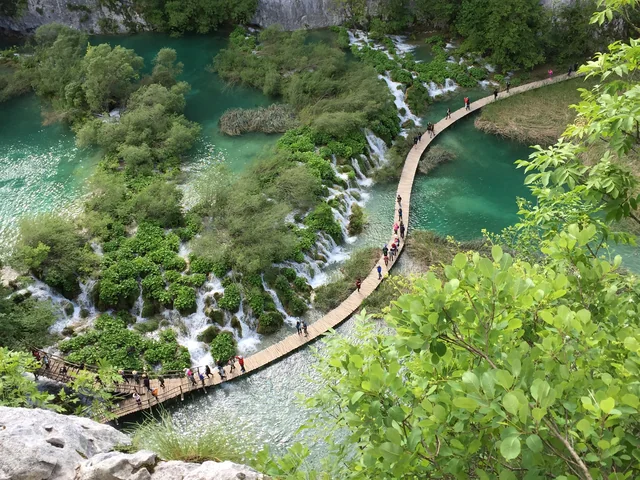
 01 / March — May
Spring
Fresh leaves, changeable skies and the sound of water. Bring layers and a waterproof jacket.
Wilma van Hoeven · CC BY-SA 4.0There is no single perfect month. There is the experience you want, and the conditions you prepare for.
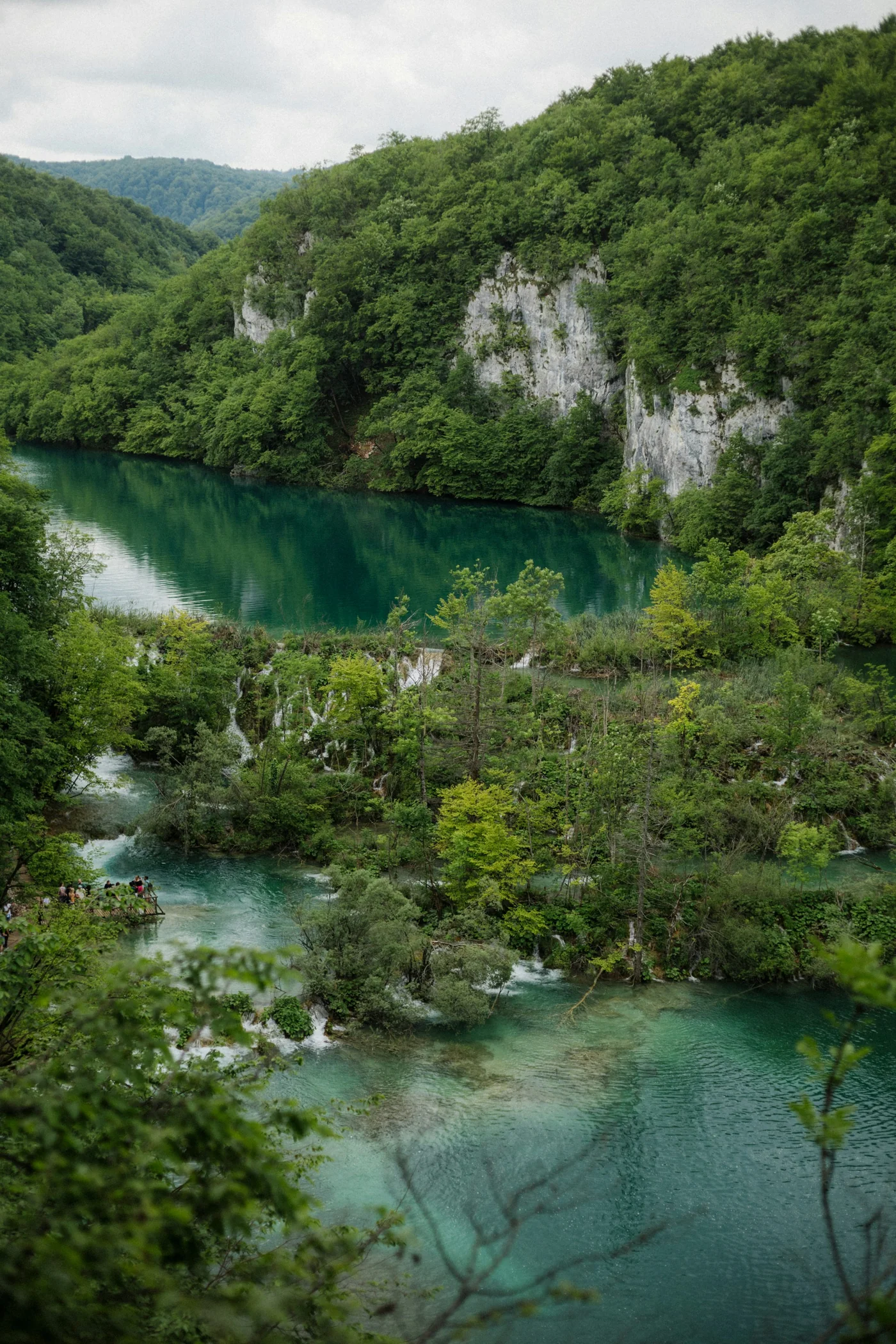
Photography: Roy Tsong / Unsplash
01 / March — MayFresh leaves, changeable skies and the sound of water. Bring layers and a waterproof jacket.
Wilma van Hoeven · CC BY-SA 4.0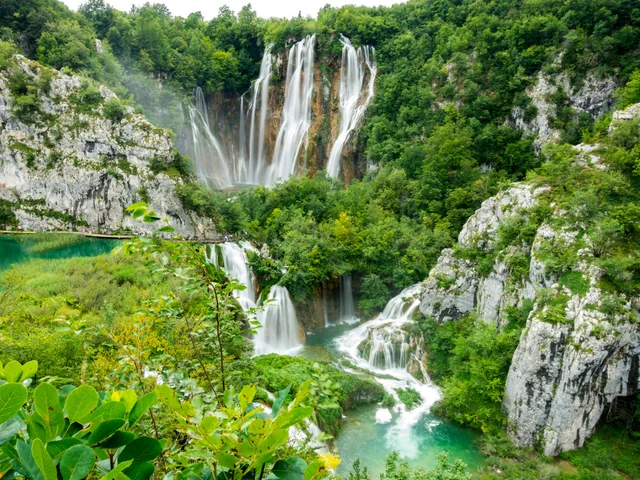 02 / June — August
Long days and leafy trails. Book ahead, carry water and allow time for busy paths.
Mike Swigunski · Unsplash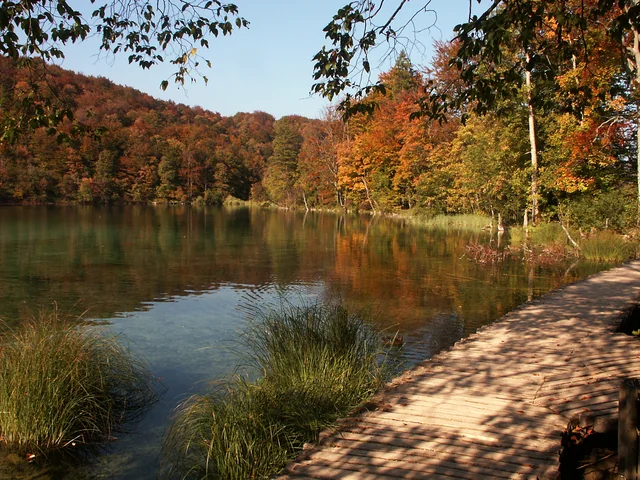 03 / September — November
Copper and gold around the lakes. Build your day around shorter daylight and shifting weather.
Ines Volf · CC BY-SA 4.0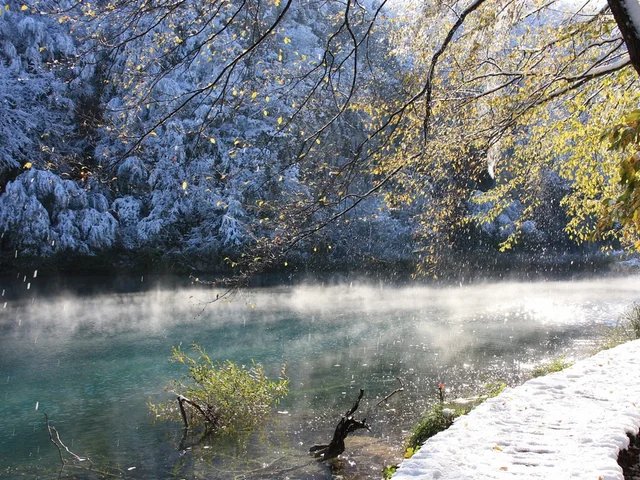 04 / December — February
A quieter palette and a different rhythm. Snow is possible; check access before travelling.
Liga Eglite · CC BY 2.0No guide can promise empty paths, autumn colour on an exact date, or snow for a particular weekend. Treat the seasons as an invitation, then check the forecast and the park’s current notices before committing to your route.
Keep a waterproof layer within reach, wear shoes with grip, and leave time to adapt. In winter, access to parts of the park can be limited. A shorter open route is a better plan than an ambitious itinerary built around a closed trail.
Sources & photography: Current opening hours ↗ · Editorial approach
Entrances, walking routes, tickets and the details that make your day feel easier.
March to May invites a flexible trip: fresh colour, changing weather and space to let the day unfold.
02June to August brings the appeal of long daylight and green woodland. A well-paced visit starts with a realistic plan.
03September to November is a season to notice details: leaves on the path, reflections on the water and a landscape changing between visits.
04December to February calls for flexibility. Come for the winter landscape that is accessible, with room to change the plan.


